
Fidan says dispute over Navtex for Greece-Cyprus power cable has been resolved
Turkish Foreign Minister Hakan Fidan said a dispute over navigational warnings (Navtex) concerning work on the Greece-Cyprus electricity interconnector has been resolved, telling newspaper Kathimerini that “everything is normal, everything is fine.” The comments follow a fresh round of diplomatic tension after Greece and Cyprus issued Navtex notices authorizing survey work for the Great Sea Interconnector (GSI), an undersea cable designed to link the two countries’ electricity grids. Turkey responded by issuing a counter-Navtex, arguing that part of the maritime area covered by the Greek notice falls within its continental shelf and that the planned activities require coordination with Turkish authorities. The Greek notice authorizes the French-flagged research vessel Abeille Marengo to resume seabed surveys for the project. The vessel is expected to begin operations on Monday. The €1.9 billion project is intended to connect the electricity grids of Greece and Cyprus, with a planned extension to Israel.
PM promises mayors more money, and realism
Prime Minister Kyriakos Mitsotakis promised municipalities more funding over four years, conditional on energy market normalization, at the Central Union of Municipalities of Greece’s conference. He announced, however, a special power tariff in consultation with PPC, and further settlement of debts to providers worth €60 million. Pledges included €300 million from the Greek Recycling Organization for municipal recycling projects,€240 million in November for overdue energy debts, and €200 million for local road works over four years. He said the accommodation levy will go from 0.75% to 1%, doubling annual state funding for school building maintenance, and €50 million for batteries to strengthen the energy sustainability of the municipalities.
https://www.ekathimerini.com/politics/1320413/pm-promises-mayors-more-money-and-realism
Fitch keeps Greece at BBB, cites debt reduction, fiscal discipline
Fitch Ratings has affirmed Greece’s long-term foreign-currency credit rating at BBB with a stable outlook, recognizing the country’s continued fiscal improvement, rapid reduction in public debt and resilient economic growth, while pointing to persistent structural weaknesses and external imbalances. The decision, announced Friday, leaves Greece at the same investment-grade rating assigned by the agency in May, despite substantial progress in reducing its debt burden and maintaining budget surpluses. Despite the improvement in public finances, the agency identified persistent weaknesses in Greece’s external position. It forecasts a current account deficit equivalent to 6.5% of GDP in 2026, reflecting structurally low domestic savings and strong import demand associated with investment.
Pizza Fan will likely reopen on Wednesday
The Anti-Money Laundering Authority decided on Friday to unfreeze two of Pizza Fan’s bank accounts in order to cover current obligations to suppliers, lessors and others, bringing the pizza chain closer to reopening and a change of ownership. The aim is for the stores to reopen on November 11, while during the weekend discussions will continue with at least one prospective investor, Vlassis Georgatos, owner of well-known Gregory’s coffee chain, among others. There is no agreement yet, but Friday’s development points to a return to normalcy and facilitates the situation toward the sale.
https://www.ekathimerini.com/economy/1320560/pizza-fan-will-likely-reopen-on-wednesday
ATHEX: NYSE sell-off has Greek stocks suffer
The Euronext Athens (ATHEX) general index closed Friday at 2,553.35 points, shedding 2.22% from Thursday’s 2,611.41 points. On a weekly basis it declined 2.51%.
https://www.ekathimerini.com/economy/1320556/athex-nyse-sell-off-has-greek-stocks-suffer


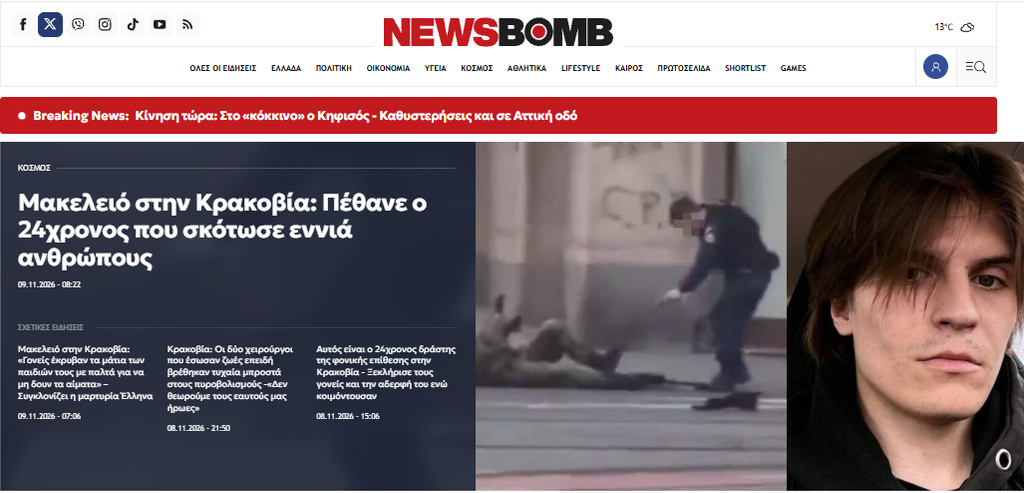
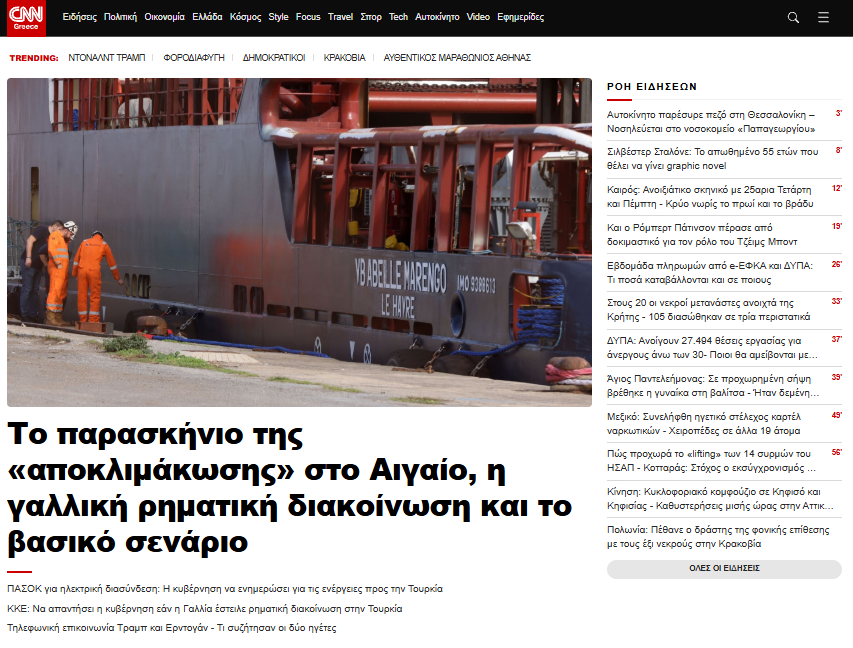
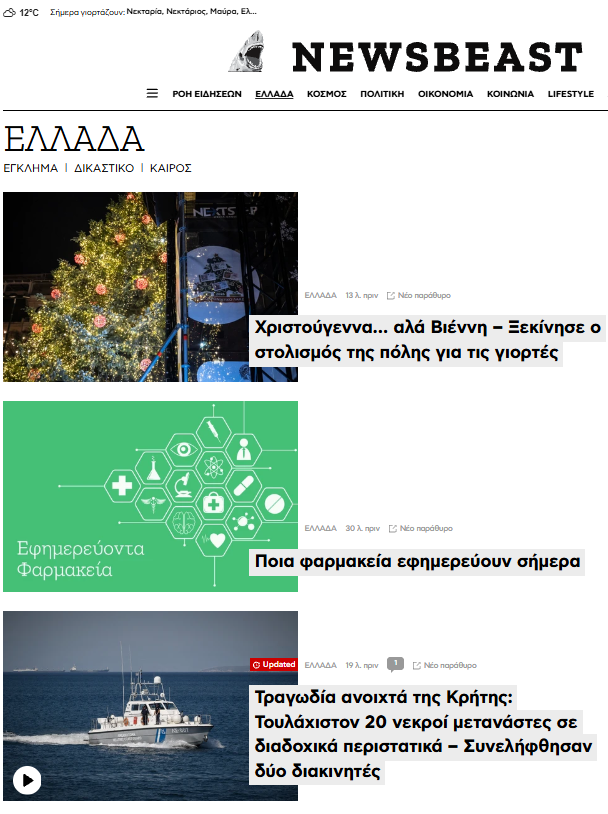

SUNDAY PAPERS
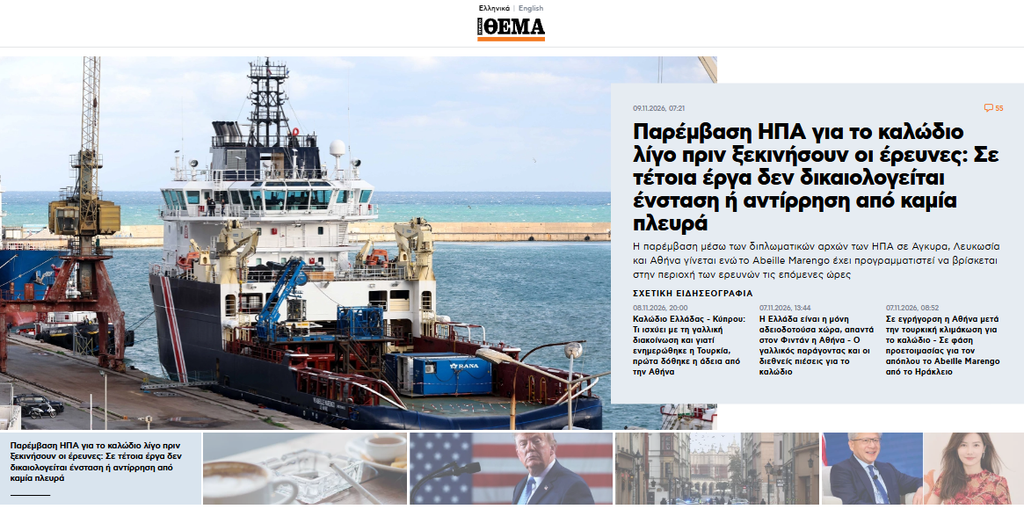
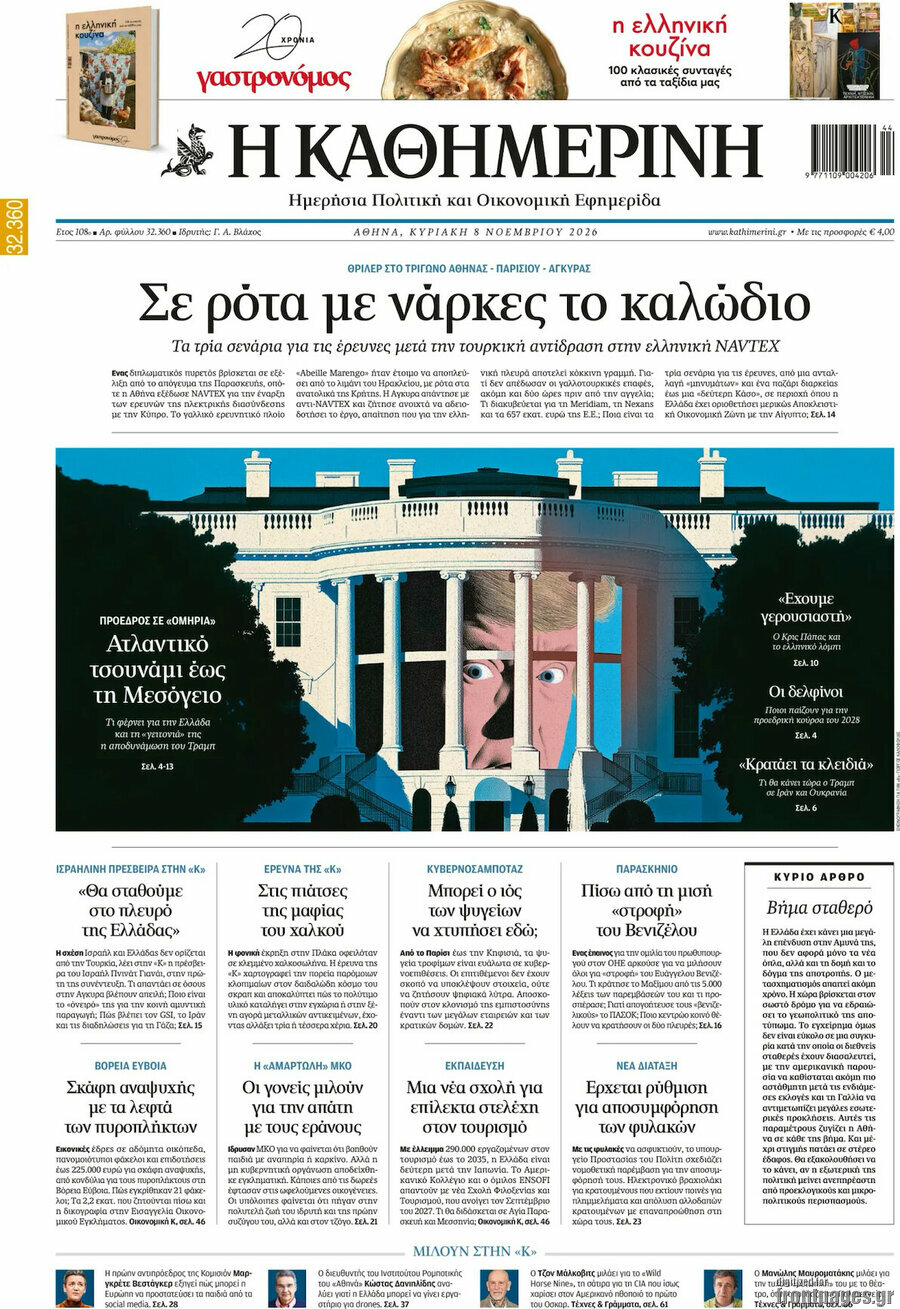
KATHIMERINI: The power-cable on course to a minefiled
TO VIMA: PM’s office: Do it like the Democrats

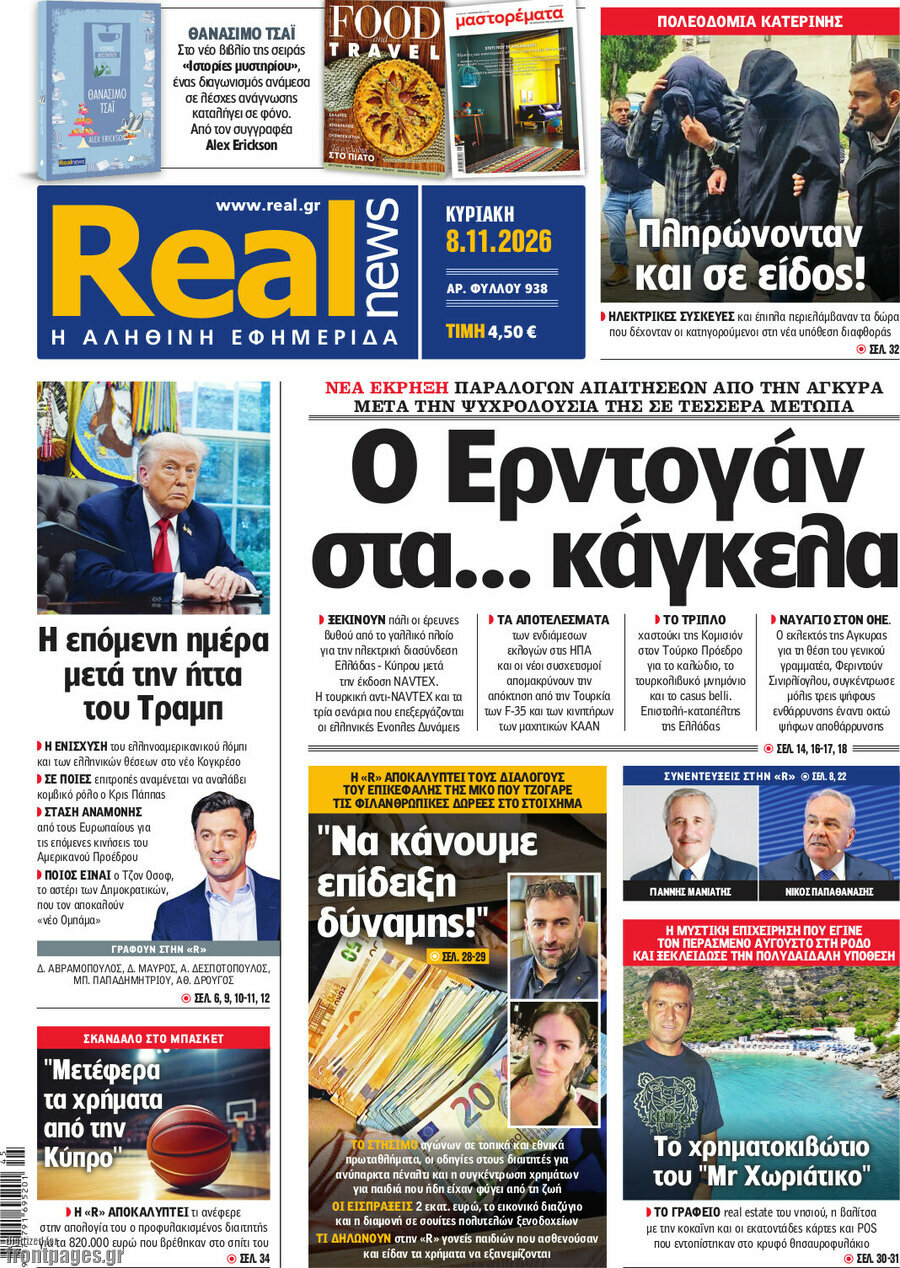
REAL NEWS: Erdogan… severely concerned
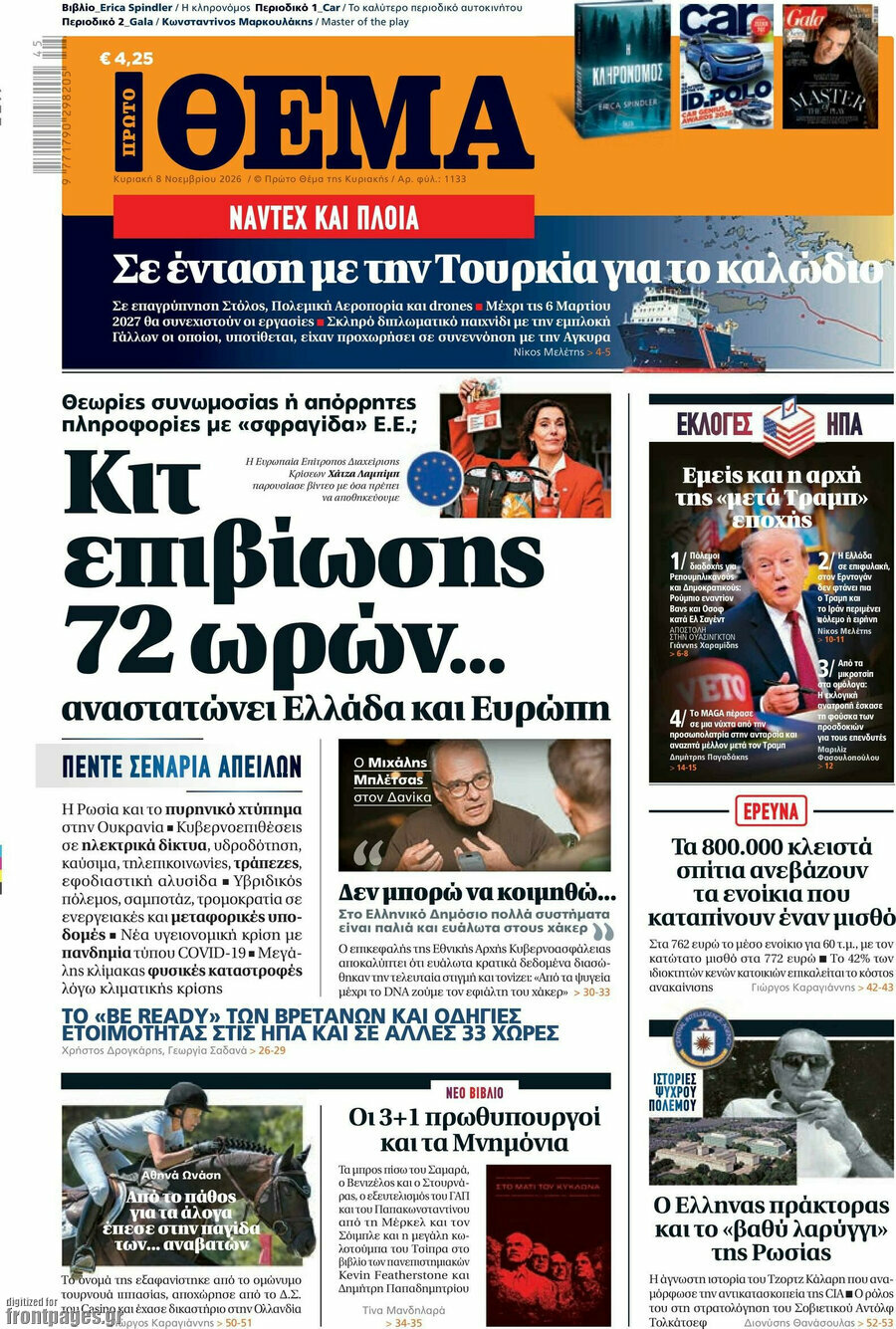
PROTO THEMA: EU proposal for 72-hour survival kit causes unrest in Greece and Europe
MONDAY PAPERS:
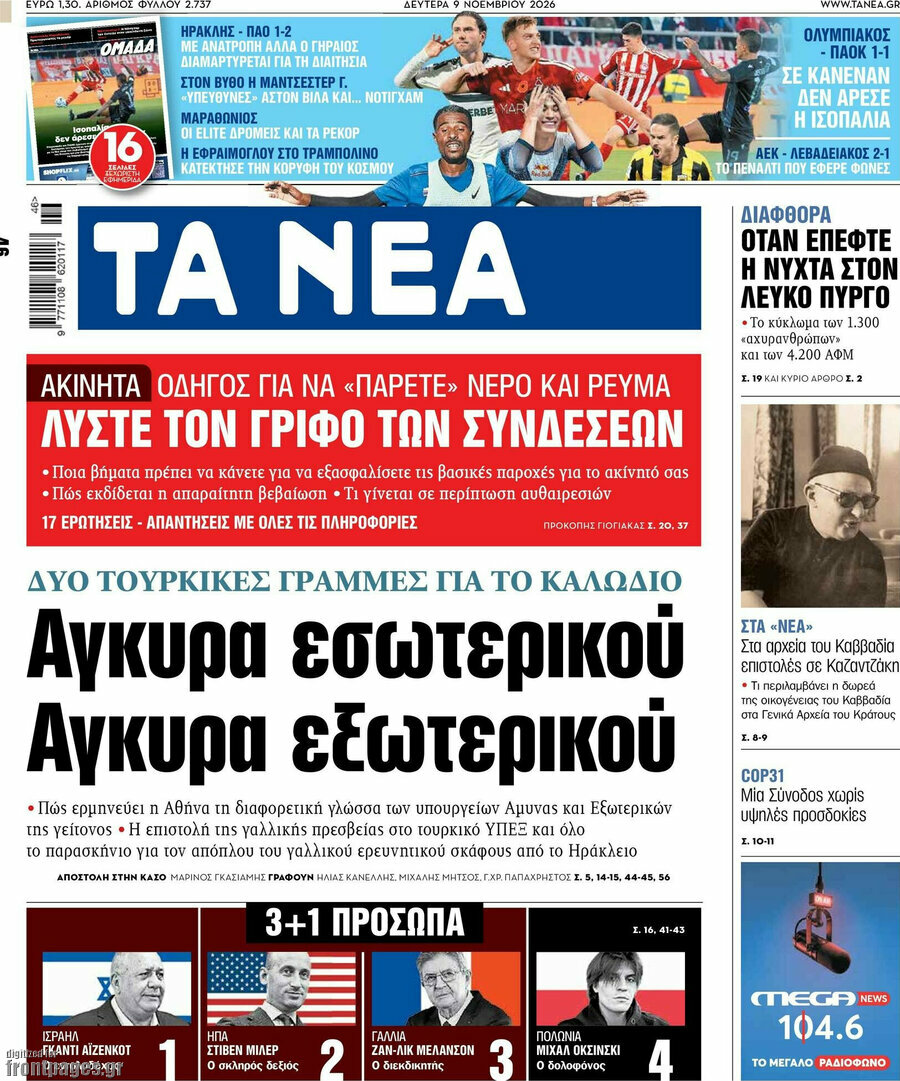
TA NEA: Two Turkish opinions about the power cable
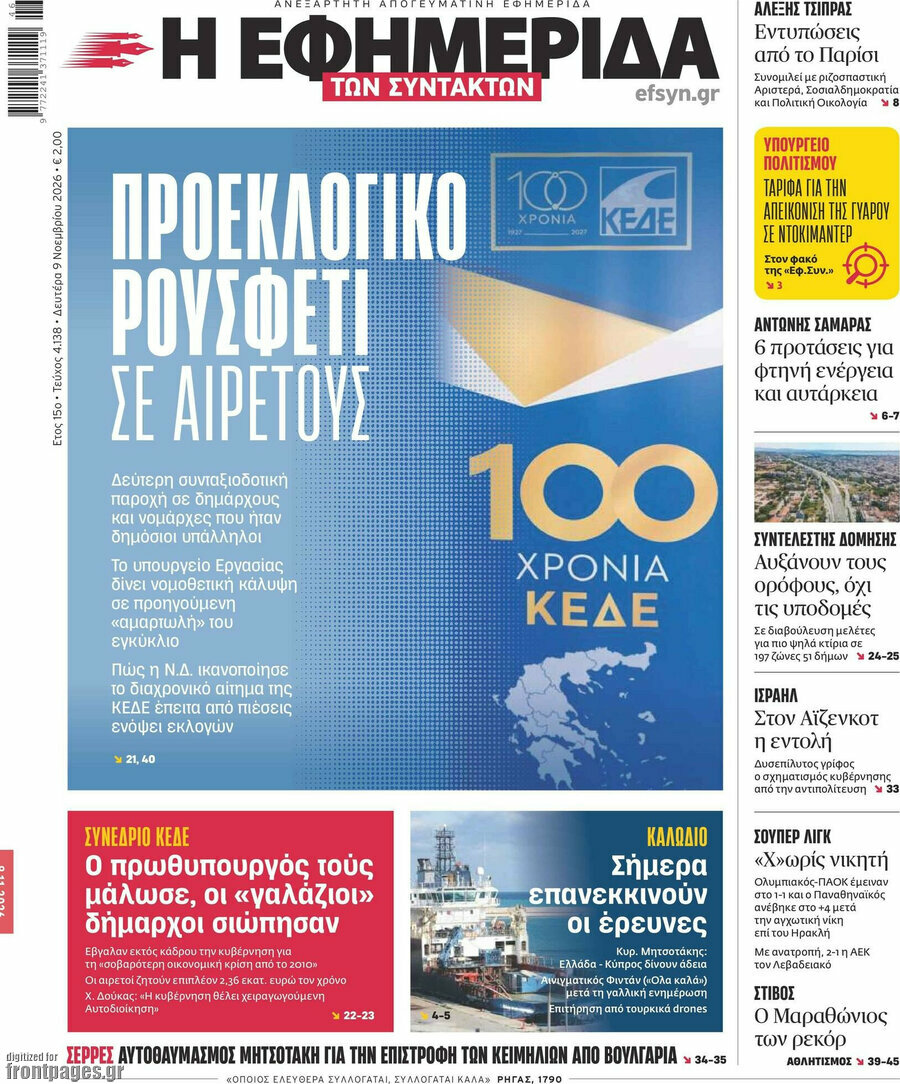
EFIMERIDA TON SYNTAKTON: Pre-election partisan benefits for local governors
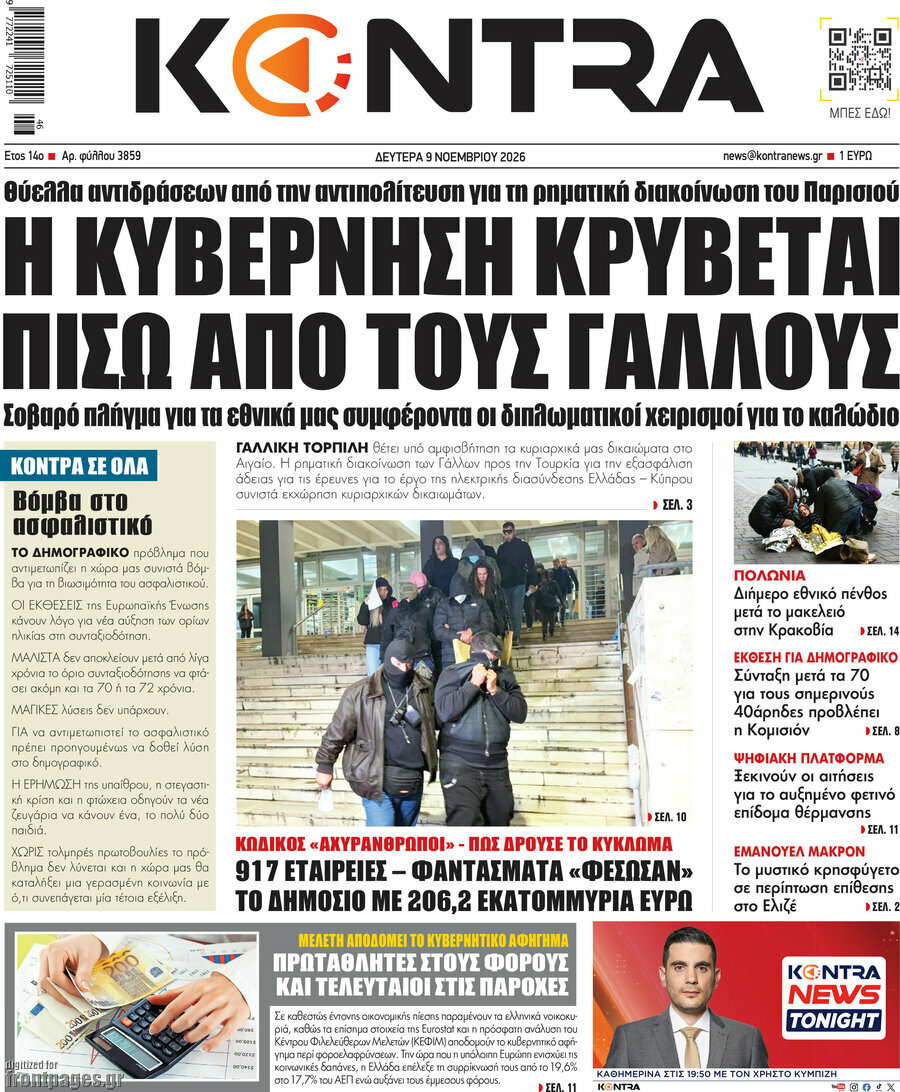
KONTRA NEWS: The government is hiding behind the French
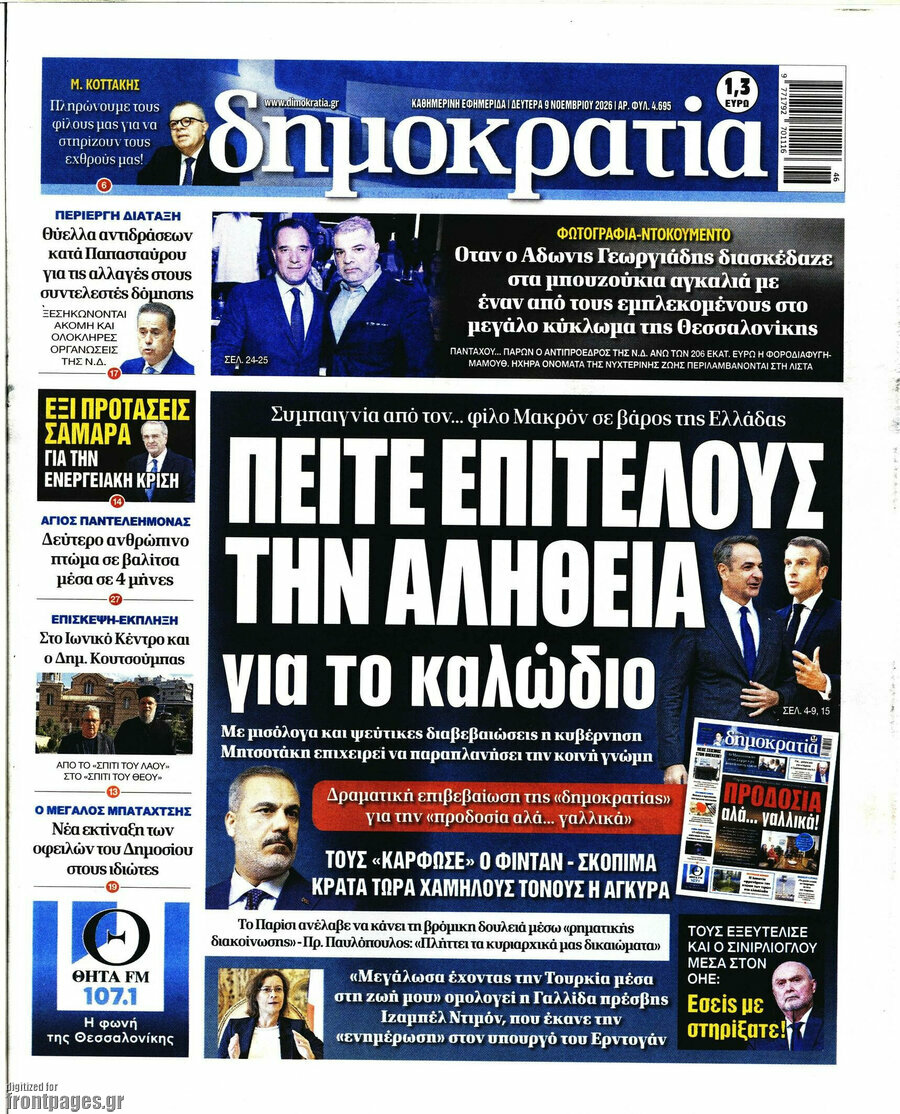
DIMOKRATIA: At last spill the truth about the power cable
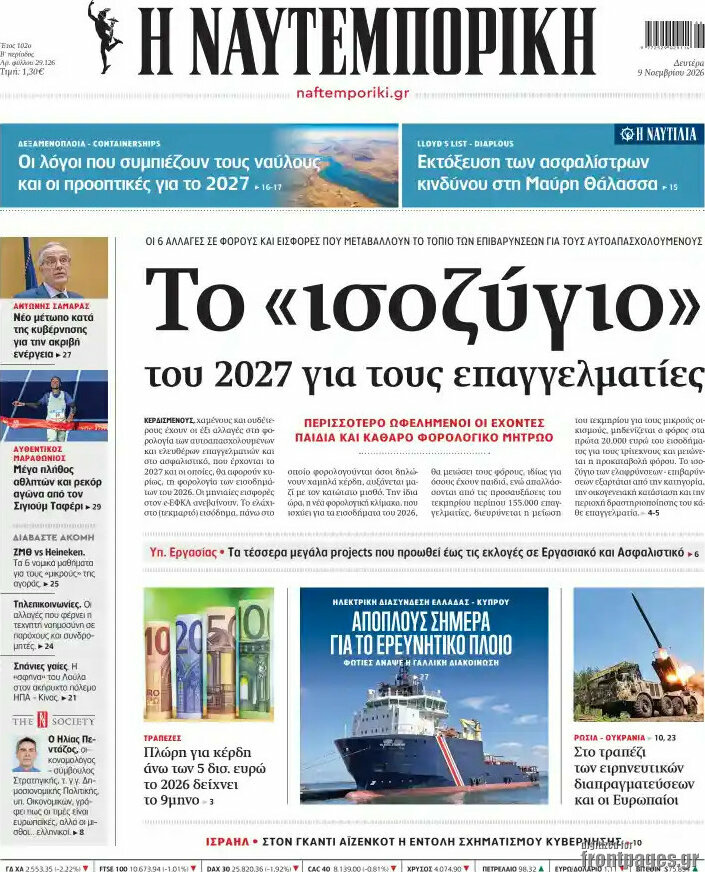
NAFTEMPORIKI: The 2027 “balance” for professionals

DRIVING THE DAY
LE PEN WANTS TO THROTTLE EU DIPLOMACY: France’s far-right presidential front-runner is aiming to dismantle the EU’s foreign policy apparatus and hand diplomacy back to capitals if she’s elected, Clea Caulcutt and I report based on conversations with National Rally officials.
Paris has been the most steadfast backer of the European External Action Service since it was launched in 2011. It stood up for the institution and its leader, Kaja Kallas, when both faced criticism earlier this year. Yet that support will vanish if Marine Le Pen wins power, plunging the EEAS and its delegations around the world into an existential crisis.
Le Pen isn’t just eyeing the EEAS. The National Rally leader is also keen to rein in the Berlaymont, which has become a diplomatic powerhouse in its own right under European Commission President Ursula von der Leyen: participating in high-level Ukraine talks, striking deals with third countries and beefing up external-facing policy units.
“France will no longer accept that the Commission exercises diplomatic competences, even less military or intelligence competences,” Le Pen told reporters on a recent trip to Brussels.
But it’s the EEAS that is at greatest risk of becoming collateral damage as nationalist parties seek to wrest power back from the EU. A National Rally lawmaker, granted anonymity to speak frankly, blasted the service as a “waste of money” and a source of jobs for “friends of friends.” And National Rally MEP Jean-Paul Garraud criticized Kallas for using “very warrior-like language on Ukraine.” (Read more in our full story here.)
Pushing back: Kallas’ backers say her positions reflect those of the EU foreign ministers she represents. An EEAS official said: “Across Europe, the far right is against the very idea of European cooperation. EU diplomacy defends European interests, including those of France. The EU’s global delegation network is a major strategic asset.”
The far-right push would meet stiff resistance from pro-European parties, which see the EU’s diplomatic arm as essential at a time when global politics is becoming more competitive and volatile. “Without the collective power of Europe, France has no chance going up against the U.S. or China alone,” Irish Renew MEP Barry Andrews said.
Reality check: France can’t unilaterally pull the plug on the EEAS, which has an annual budget of about €1 billion. By the time French voters head to the polls in April, EU leaders will most likely have struck a deal on the bloc’s long-term budget and locked in funding for the service for another seven years.
But the fight could get nasty. Le Pen’s party is threatening to slash France’s contribution to the EU budget if she doesn’t get concessions from Brussels — which could include clipping the wings of EU diplomacy. Her allies think they’re likely to get support on that from nationalist parties in Spain, Italy and Czechia.
The bottom line: There’s been much discussion about whether Le Pen will follow Giorgia Meloni’s pragmatic Euroskeptic approach to Europe if she becomes French president. But her stance on EU diplomacy suggests she’ll take a far harsher line with Brussels than the Italian prime minister.
BIG AND BREAKING
PUTIN MAY NOT WANT PEACE: Norway’s Prime Minister Jonas Gahr Støre, who spoke to the Russian leader with Finland’s Alexander Stubb late last month, gives a sober assessment of the prospects of securing a peace deal in an exclusive interview with POLITICO’s Tim Ross.
Inside the Kremlin call: The fallout from Støre and Stubb’s dramatic intervention is still reverberating across EU capitals, exposing the bloc’s wider divisions on how to deal with Moscow, Tim writes. (More on this week’s big Ukraine talks in a moment.)
DISPOSABLE: The Kremlin is recruiting ordinary people to carry out sabotage across Europe.
EUROPE FALLS BEHIND: European leaders want to project urgency at their first joint meeting on artificial intelligence — but their governments are missing important AI safety and infrastructure targets, Pieter Haeck reports.
MOLDOVA PLUGS INTO THE GRID: Moldovan President Maia Sandu hailed the opening of a power line between Vulcănești and Chișinău that links the aspiring EU member to the bloc’s power grid. “For decades, Moscow used energy to blackmail us. No more,” she posted on X last night. “Two more power lines are on the way.”

UKRAINE TALKS SPLIT EUROPE
SIDELINE SEATS: National security advisers from France, Germany and the United Kingdom — aka the E3 powers — will be present for Ukraine talks in Abu Dhabi this week, according to three officials who spoke to me and Hans von der Burchard.
Their presence gives Europe a nominal say in negotiations between Ukraine and Russia mediated by the U.S. But advocates of a more inclusive approach — including Giorgia Meloniand Polish Foreign Minister Radosław Sikorski — are unlikely to be satisfied, setting the stage for more wrangling over how the EU should be represented.
The fact that talks will focus on a new “European security architecture,” as Donald Trump’s envoy and son-in-law Jared Kushner put it on Friday, is setting nerves on edge in eastern and northern Europe. “The last thing we want is western Europe dealing with Russia, over the heads of the eastern Europeans,” Sikorski told journalists in Warsaw.
French Foreign Minister Jean-Noël Barrot told local media on Sunday that France and Europe would be “well represented” at the talks in Abu Dhabi tomorrow and Wednesday. As of last night, it was unclear whether any representatives of the EU institutions would be present.
A German official told Hans that the E3 will be represented at the national security adviser level. Abu Dhabi is a “kickoff meeting” with “follow-up meetings” in the works, the official said. E3 officials will brief a wider group on the sidelines of the European Political Community meeting in Dublin on Thursday to “broaden the scope of the discussions.”
Asked whether those E3 national security advisers would actually be in the room in Abu Dhabi, the German official said the “format will be determined as discussions progress.” An EU official aware of the talks, granted anonymity to discuss confidential preparations, said NSAs would be present or nearby but wouldn’t directly take part.
With major questions about European security now in the frame, EU countries that have an outsized stake in the outcome are demanding more involvement. Meloni, Sikorski and European Council President António Costa are among those calling for a bigger tent. “There can be no discussion about Europe without Europe. And no discussion on European security architecture or indeed security discussion without us,” an EU diplomat told Playbook.
20-SECOND PLAYBOOK PRIMER
Today is the EU Drone Summit, two days of talks in Brussels during which the EU institutions, member states and industry will take stock of progress of the EU Drone Strategy 2.0 — but what’s that? Adopted in 2022, the strategy aims to develop the EU drone market (reckoned to be worth around €17 billion) by bringing together civil, security and defense technologies.
SUMMIT SECURITY
IRELAND ON HIGH ALERT: Dublin is gearing up for a massive security operation around this week’s twin summits, as a wave of bomb threats disrupts air travel across Europe, Sebastian Starcevic reports.
Irish broadcaster RTÉ’s studios in Dublin were evacuated after a bomb threat on Friday, and at least 27 aircraft were targeted by hoaxes last week, triggering diversions, fighter jet escorts and airport searches. EU Transport Commissioner Apostolos Tzitzikostas said it’s too early to determine whether the incidents were linked.
But the Irish authorities aren’t taking any chances. With more than 50 leaders set to arrive in Dublin in a few days for the European Political Community and informal European Council, Irish police are launching a “major security operation,” a spokesperson told Playbook. Public transport interruptions and road closures mean much of the city will grind to a halt.
Don’t tell Trump: “We have not seen a policing and security operation of this scale ever before in Ireland; this is bigger than a U.S. presidential visit,” Superintendent Liam Geraghty said. Irish Foreign Minister Helen McEntee said she’s “extremely concerned” by the threats and foreshadowed the tightest possible security measures for leaders and their delegations. “This is the largest event of its type that we’ve ever had,” she added.
Irish premier Micheál Martin said there’s no evidence the threats against Irish media were linked to the Kremlin, but that hybrid attacks in Europe have increased and have generally had a “Russian connection.” Martin added that he’s confident the summits will go off without a hitch.
Brussels is hands off: A European Commission spokesperson said it typically offers the rotating Council presidencies up to 10 staff to help organize summits, but security is the host country’s responsibility.
** COP31 opens under pressure as energy demand surges and climate ambitions slip. Join POLITICO’s reporters for a live Pro Briefing on November 9 at 5 p.m. CET to understand the biggest stories shaping negotiations. Register now.**
DASHBOARD
Germany and France are the EU’s biggest donors to Ukraine, but it is the smaller Nordic and Baltic states that are giving the most relative to the size of their overall economies.

4 MORE THINGS GETTING US TALKING
STAFFING CRUNCH HINDERS CHINA RESPONSE: The EU’s ambitions to protect European industry from external rivals are being hampered by a severe shortage of officials to enforce the trade defenses, Koen Verhelst reports.
UNDER INVESTIGATION: Nvidia’s board has launched an independent probe into whether CEO Jensen Huang was targeted by Chinese spies, after he admitted having a close relationship with a woman U.S. intelligence reportedly suspects of gathering information for Beijing.
NO REGRETS: Donald Trump last night pushed back on Vice President JD Vance’s social media post blaming the Iran war for Republicans’ midterm blowout, telling reporters: “‘If you had to do it again, would you do it again?’ The answer is yes.”
PROTECT THE REGIONS: Paris, Madrid and Lisbon are calling for the EU’s next long-term budget to protect “ultra-peripheral” regions — territories located outside the European continent — after a gathering in Guadeloupe.